 BACK
BACK
High turnover is a challenge for any business. More than a staffing issue, it quietly disrupts continuity, affects quality, and can erode client trust. Replacing a team member may cost up to 60% of their annual salary, but the true impact goes beyond cost. In offshore teams, continuity matters. Retention helps preserve context, maintain quality, and build long-term momentum, turning outsourcing from a short-term fix into a strategic asset.
Stable offshore teams foster deeper systems knowledge, stronger collaboration, and fewer disruptions. In Vietnam’s fast-growing outsourcing sector, this kind of reliability isn’t just valuable, it sets you apart. Because the offshore advantage isn’t found in volume, it’s built through people who stay.
Away Digital Teams, talent stability has been core to how we support clients. Our 90% retention rate reflects a focus on culture, capability-building, and shared purpose, not just recruitment. Let’s walk you through how we structure for longevity, align with client goals, and build teams in Vietnam that thrive.
Table of contents
- The retention factor – Building offshore teams that last
- Vietnam’s edge – Talent, culture, and consistency
- How to build a retention-first culture in global teams
- Why retention delivers lasting outsourcing benefits
- How Away Digital Teams helped My Occ Health Record build a high-retention offshore capability
- Retention is the strategy
The retention factor – Building offshore teams that last
Retention is becoming a defining factor in the success of outsourcing partnerships. While cost and speed to hire once dominated, today’s businesses are rethinking what makes a team truly effective, and sustainable.
In this shift, Outsourcing 2.0– a more strategic, people-first model of offshore resourcing – reflects a move away from short-term wins toward capability. With strong workplace culture, structured support, and continued investment in people, organizations are scaling with skilled, committed professionals who stay.
Here’s how a retention-first mindset, shaped by Outsourcing 2.0, builds enduring value through stable, capable teams in Vietnam.

Retention as a competitive edge
In Vietnam’s growing outsourcing market, set to reach US$808.56 million by 2030, retention is a true differentiator. Short-term models often lead to rework, delays, and weakened client relationships. A longer-term, people-centric approach flips that script.
Retention isn’t just a number to track, but is a strategic strength.
While the global outsourcing sector typically sees turnover rates of 30–45%annually (with average employment durations of just 12–18 months), some high-performing Vietnam-based teams consistently retain talent beyond five years.

This stability reflects a commitment to professional growth, structured mentorship, and an engaging workplace that keeps teams aligned with client goals.
Structuring for longevity
Strong retention doesn’t happen by chance, it starts with the right foundations. In Outsourcing 2.0: culture, capability, and career development sit at the center. Combining modern people management with a deep understanding of Vietnam’s talent market helps create high-performing teams that stay and grow.
This structure often includes:
- Structured onboarding that immerses offshore staff in client culture, systems, and expectations
- A focus on meaningful contribution to client outcomes
- Ongoing skills development and regular team engagement activities
- Wellbeing programs that support a healthy, inclusive workplace
Retention also improves when management practices align with local values, such as respect, consistency, and collaboration. This approach fosters a workplace that motivates skilled professionals to stay, giving clients confidence their capability won’t be lost to turnover.
Offshore retention can be up to 3x higher than the industry average when it’s grounded in investment, respect, and aligned career development.
This stability doesn’t merely reduce turnover, it improves continuity, deepens team engagement, and leads to more consistent, high-value outcomes. It’s a key marker of quality in Outsourcing 2.0, where success is measured by capability that lasts, not simply capacity on hand.
How stability drives better outcomes
Retention isn’t only an HR metric, but also a business multiplier. Stable offshore teams understand client systems better, build stronger relationships, and operate with less supervision. They require less retraining, reduce time-to-value, and are more likely to innovate within their role.
On the client side, it also means stronger partnerships. Teams that keep contributing build institutional knowledge and improve over time, transforming from external support into trusted contributors.
As global demand for outsourced services accelerates, companies are seeking more than short-term support. They want a strategic capability they can count on. With Outsourcing 2.0, a retention-first approach ensures offshore teams don’t just work, they commit and grow.

Vietnam’s edge – Talent, culture, and consistency
Vietnam is fast becoming a top-tier outsourcing hub, thanks to its highly skilled workforce, strong work ethic, and cost-effective market dynamics. What truly sets it apart, though, is a culture of loyalty that drives team stability and performance.
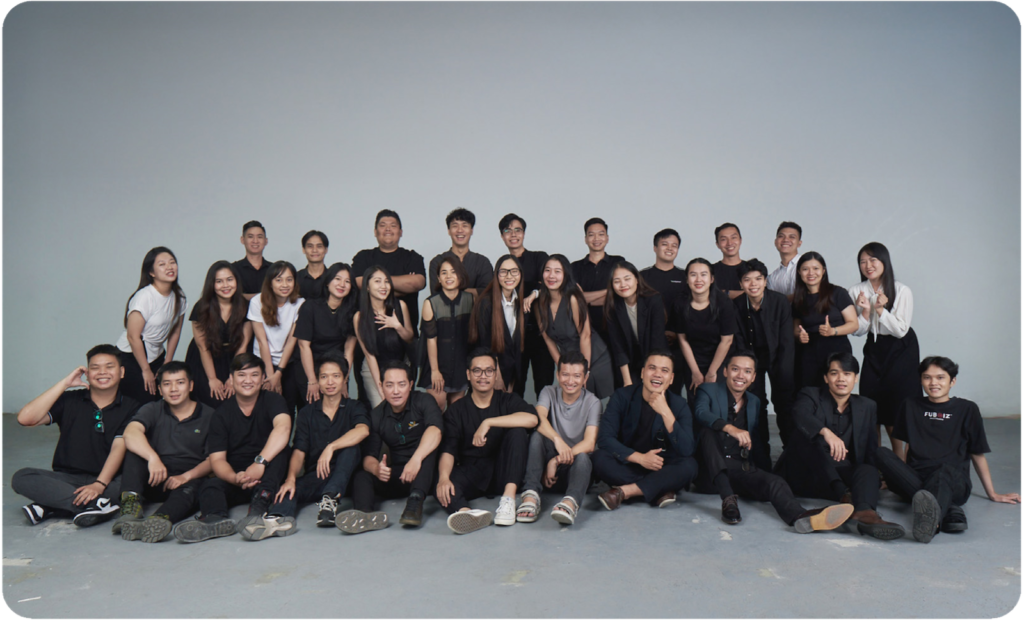
Here’s why Vietnam creates conditions for teams to build tenure:
A talent pool built for long-term growth
Vietnam’s outsourcing strength lies in its deep, fast-evolving talent pool. With a median age of 33.4and 55,000–60,000 computer science and IT graduates annually, the country offers a digitally fluent workforce shaped by strong STEM education and a rising culture of innovation. Importantly, English proficiency levels in Vietnam have steadily improved, making collaboration with global teams smoother and more effective across time zones and platforms.
This foundation is reinforced by government-backed innovation initiatives, such as the National Innovation Centre, which have drawn global tech players like Nvidia to invest in AI and R&D hubs within Vietnam. As a result, businesses gain access to a workforce capable of achieving not just code, but commercial impact, combining technical expertise with adaptability and a global mindset.

Cultural loyalty drives delivery consistency
Vietnamese professionals are known not only for their technical capability but for their strong work ethic, humility, and futurefocused mindset. While high attrition rates in saturated markets like Indiaremain a challenge, Vietnam continues to stand out for its workforce stability and commitment. In the first half of 2024, multinational companies in Vietnam reported a voluntary turnover rate of just 6.5%, reflecting a growing employee preference for job stability amid a cooling economic climate.
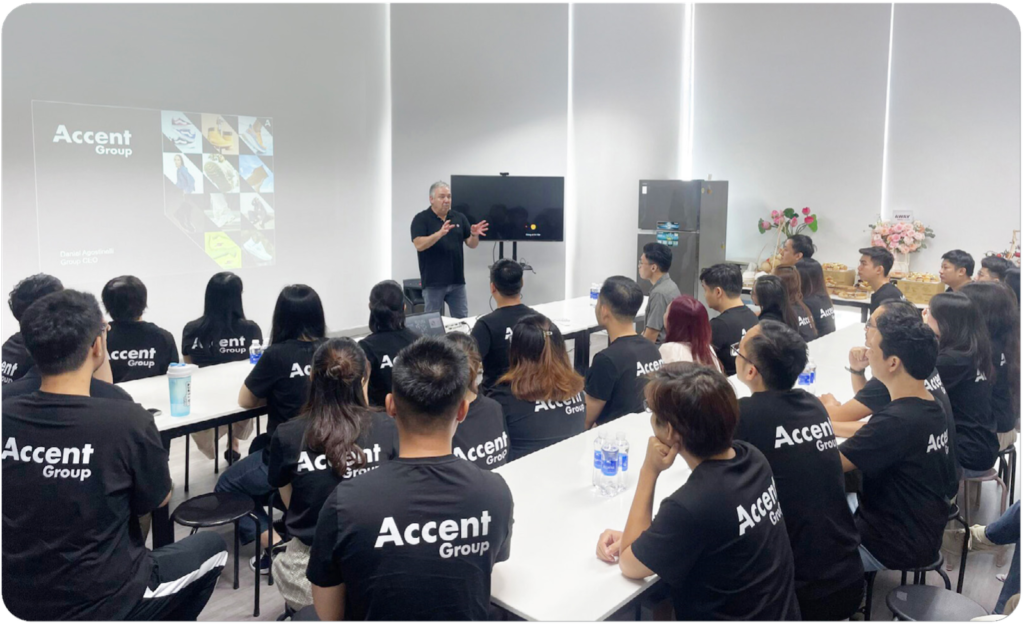
This level of consistency enables teams to build deep domain knowledge and keep tasks moving steadily through every stage, reducing ramp-up costs and avoiding disruptions. Rooted in a culture that values diligence, loyalty, and collective success, Vietnam’s talent integrates seamlessly into global operations, enabling performance and strengthening built-to-last partnerships.
Infrastructure and stability that enable retention
Vietnam’s market edge is bolstered by its strategic location and business-friendly environment. Positioned in Southeast Asia, it serves as a commercial nexus with access to free trade agreements that reduce operational costs. Government support and a stable socio-economic landscape further enhance Vietnam’s appeal.
By combining these advantages with a workforce known for diligence and adaptability, Vietnam has a transformative outsourcing experience that drives client success in a competitive global market.
Why Vietnam stands out for offshore talent
- Skilled talent with staying power: Vietnam blends strong technical capability with low attrition – just 6.5% in multinationals, offering consistency and continuity.
- Cultural commitment drives quality: A workforce rooted in loyalty and diligence sustains strong project ownership and sustainable alignment.
- Cost efficiency, high value: Competitive salary expectations paired with a high work ethic provide value without compromising quality.
- Strategic global position: As a Southeast Asian hub with free trade access and strong government backing, Vietnam offers a stable, growth-ready framework for offshore expansion.
How to build a retention-first culture in global teams
Sustained success in outsourcing starts with steady, committed teams. A retention-first culture not only boosts performance, it also builds trust, continuity, and deeper domain knowledge. Outsourcing providers in Vietnam foster this by embedding inclusion, engagement, and locally aligned practices into every offshore partnership.
Here’s how it works in practice: culture strategies that go beyond surface-level perks to build engagement, trust, and reliable performance throughout global teams:
Driving engagement through recognition and growth
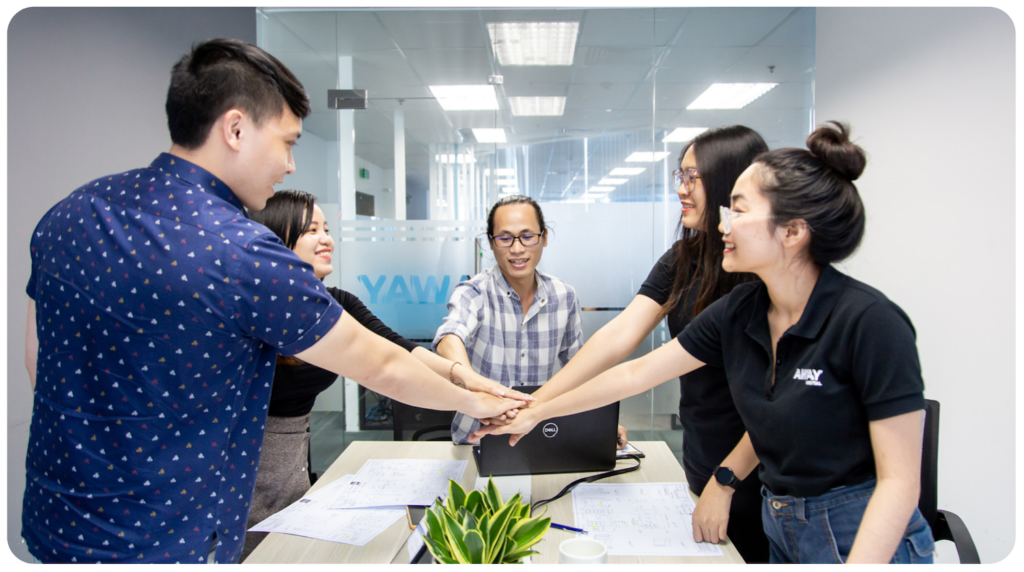
Engagement lies at the heart of retention, achieved through consistent recognition, career progression, and transparent communication. Effective providers celebrate employee contributions through structured recognition programs, spotlighting achievements to inspire pride and motivation.
Career progression varies by role, so professionals thrive through on-the-ground learning and close collaboration with global client teams. This direct exposure to in-house expertise builds practical capability and confidence where it matters most. When paired with open communication and regular feedback, it creates a work environment where teams feel supported, connected, and motivated to create meaningful impact.

Fostering inclusion across borders
Inclusion plays a vital role in connecting offshore teams with headquarters, especially in fast-growing talent hubs like Vietnam. Strong partnerships prioritize in-house check-ins with the Vietnambased staff, and open conversations via tools like Teams and Google Meet, helping outsourced employees feel part of a unified, global team.
These touchpoints bridge cultural and geographic distances, creating a strong sense of belonging. Whether teams are based in the US, Australia, or Vietnam, embedding inclusion into daily operations ensures people remain aligned with client goals, fostering loyalty, collaboration, and seamless execution from site to site.

Building a culture that earns loyalty
A thoughtful approach to culture connects offshore teams more closely to the businesses they support. Regular company traditions, from monthly events and sports to team-building activities, help foster a sense of connection and shared momentum.
In-market leadership also plays a key role. Local managers who understand cultural values bridge the gap between global goals and local context, strengthening trust and team connection through team gatherings and celebrations.
This is often supported by a hybrid people model: local HR grounded in regional norms, paired with global practices that keep teams aligned. With ongoing training, wellness initiatives, and structured engagement, the result is a motivated workforce that provides continuity.

Why retention delivers lasting outsourcing benefits
Teams that remain consistent bring more than just stability, they accelerate onboarding, strengthen continuity, and build deeper client knowledge. This chapter explores the value of retention, from minimizing retraining to preserving expertise and consistently generating strong contributions.
Reduced retraining time, lower operational overhead
Outsourcing continues to play a critical role in bridging skill gaps, especially as 75% of companies struggle to fill key roles in areas like IT, administration, customer support, finance, digital marketing and design. Beyond closing immediate resourcing needs, it offers a pathway to sustained value through deep, collaborative expertise.
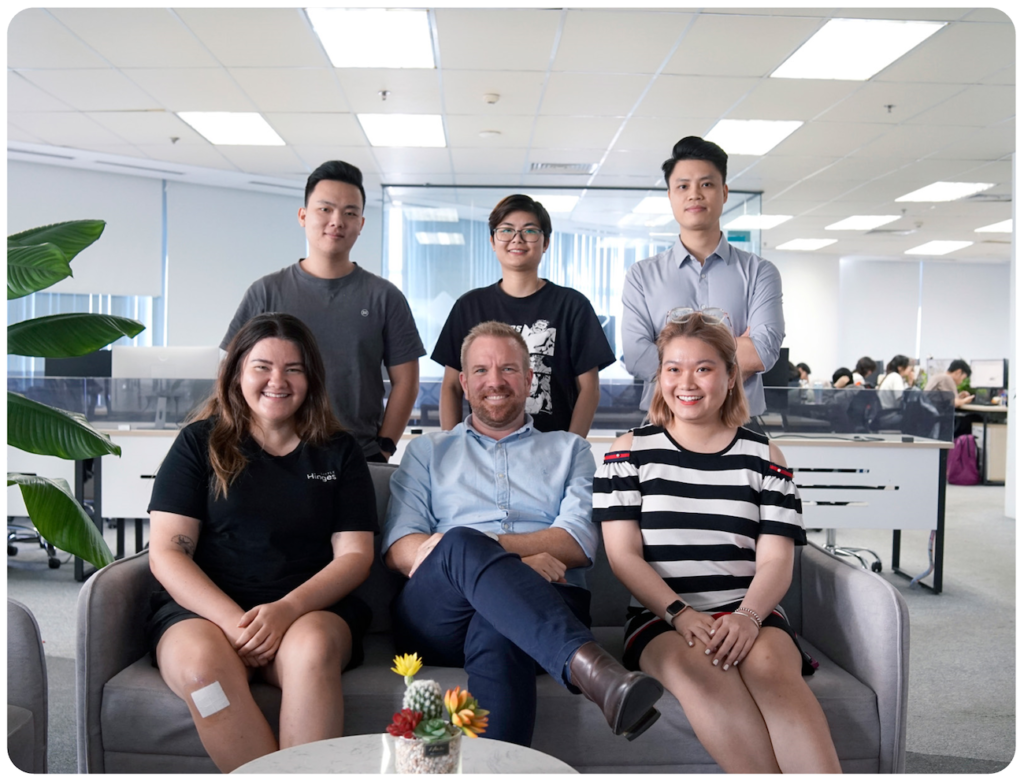
When professionals remain engaged over time, they gain fluency in businesses’ technologies, workflows, and quality standards. This familiarity dramatically reduces retraining cycles and minimizes the operational drag that comes with repeated onboarding, allowing internal teams to focus on strategic priorities rather than resetting the basics.

Institutional knowledge stays put
Knowledge loss is one of the most underestimated risks in highchurn environments. When experienced contributors leave, so does context: project history, client preferences, workarounds, and lessons learned. These aren’t stored in documents, they live in people. When experienced contributors leave, that knowledge disappears with them.
Maintaining workforce stability protects this continuity. Over time, dedicated professionals build a deep understanding of your systems, standards, and strategic goals. This retained knowledge improves planning, reduces rework, and supports more consistent decision-making. It also strengthens companies’ relationships by ensuring alignment and clarity without needing to constantly reset expectations.
Improve speed and reduce errors
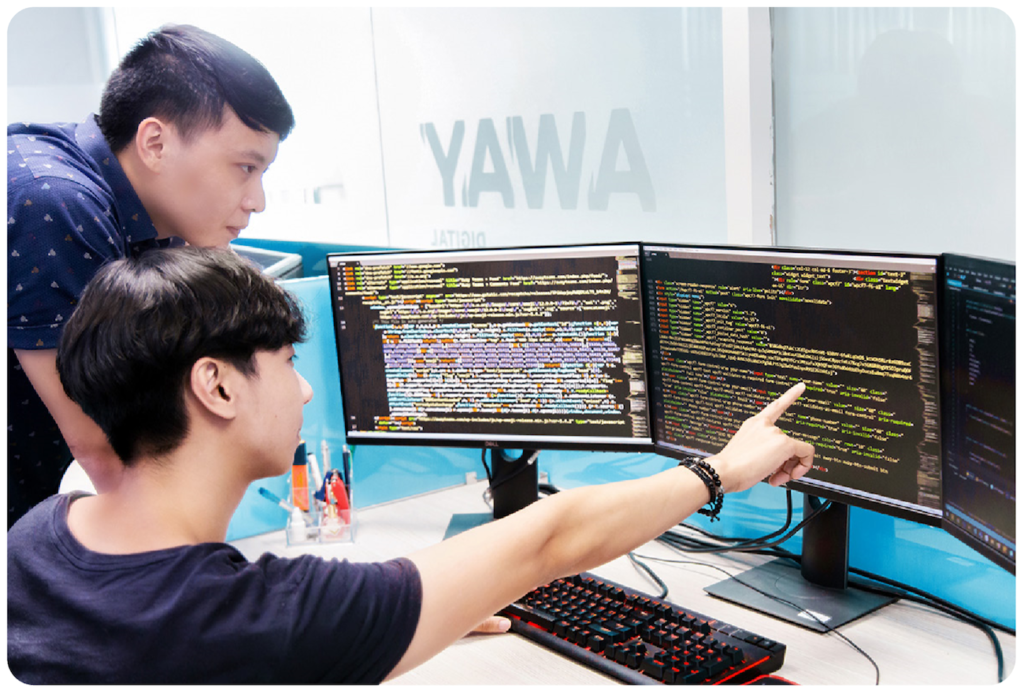
Consistency fosters capability. When professionals remain engaged over time, they become fluent in your tools, standards, and stakeholder preferences. Familiarity breeds confidence, resulting in shorter lead times, fewer errors, and swifter project execution.
Industry research supports this: organizations that maintain consistent team composition typically achieve 15–30% higher productivity, with improved coordination and fewer mistakes compared to more fragmented setups. That advantage compounds over time: in sectors where deadlines are tight or compliance matters, consistent teams not only reduce operational risk but also elevate baseline performance, presenting smarter outcomes and sustained momentum.

How Away Digital Teams helped My Occ Health Record build a high-retention offshore capability
My Occ Health Record is an occupational health tech platform helping organizations digitize processes and centralize employee health data. As a business that transitioned from clinical services to technology, they knew offshore success depended on more than just hiring skilled developers, it required cultural alignment, stability, and shared purpose.
After an earlier offshore trial failed due to limited readiness and lack of structure, they approached outsourcing with a more strategic mindset. Partnering with Away Digital Teams, they built a highly engaged group in Vietnam that integrated seamlessly with their inhouse product team.
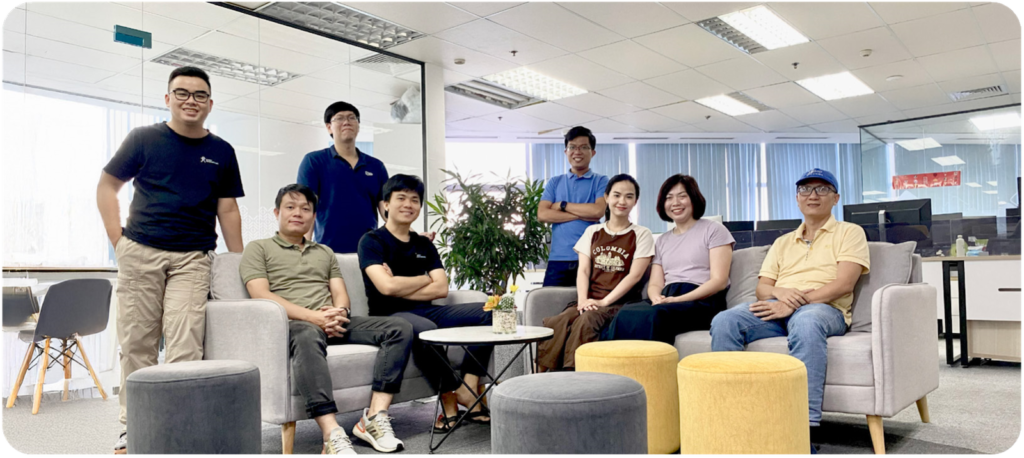
What set this partnership apart wasn’t just the technical capability, but the environment Away Digital Teams created, daily collaboration, open communication, and a culture that mirrored My Occ Health Record’s values. Regular visits and strong on-the-ground support further deepened trust and cohesion between teams.
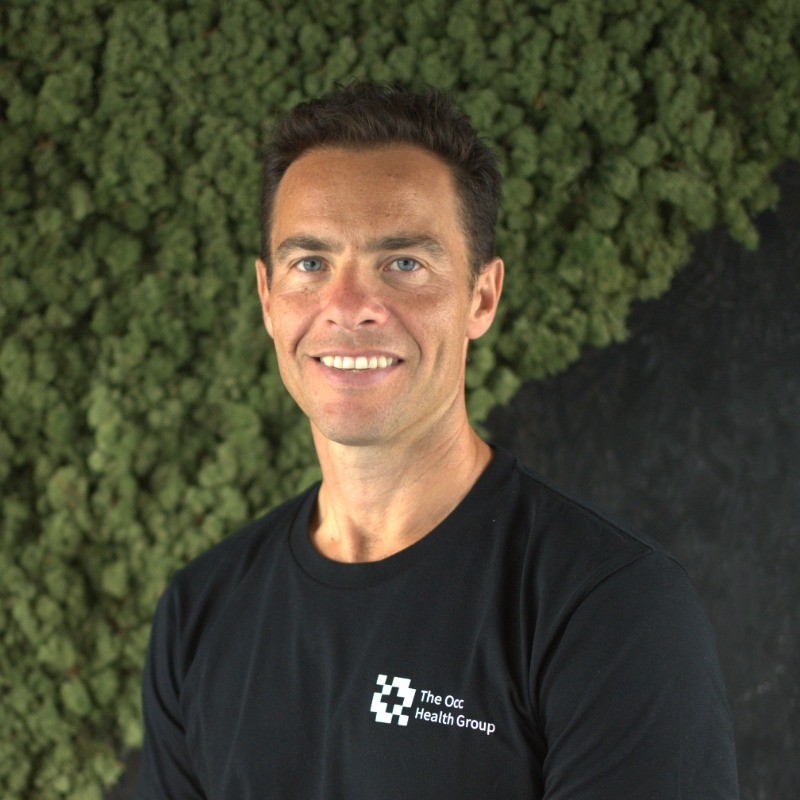
Managing Director
My Occ Health Record
This stability translated into real outcomes: reduced retraining time, fewer errors, faster output, and deep institutional knowledge that compounds over time. With Away Digital Teams, My Occ Health Record gained more than offshore capacity, they established a consistent, high-performing function fully integrated into their development lifecycle.
Retention is the strategy
The most resilient offshore operations aren’t built on quick hires, they’re built on stability. When people leave, so does progress. That’s why retention, not just recruitment, underpins the success of truly high-performing global teams.
Vietnam offers a compelling advantage: a blend of workforce reliability, strong technical capability, and business culture aligned with Western values. As global businesses look for more sustainable ways to scale, professionals in Vietnam are increasingly prioritizing stability, career development, and data-conscious practices, giving companies a rare opportunity to build with consistency, not churn.
Away Digital Teams collaborates with many businesses to build offshore capability that lasts. Our high-retention model – Outsourcing 2.0 is built on shared purpose, daily collaboration, and support that goes beyond recruitment, so your people remain engaged and contribute meaningfully over time.
Contact us to discover how we help forward-thinking companies scale smarter, move faster, and maintain focus through people who build long-term value while developing with your business.